
West Falmouth Market: A Century-Old Anchor of Community and Craft
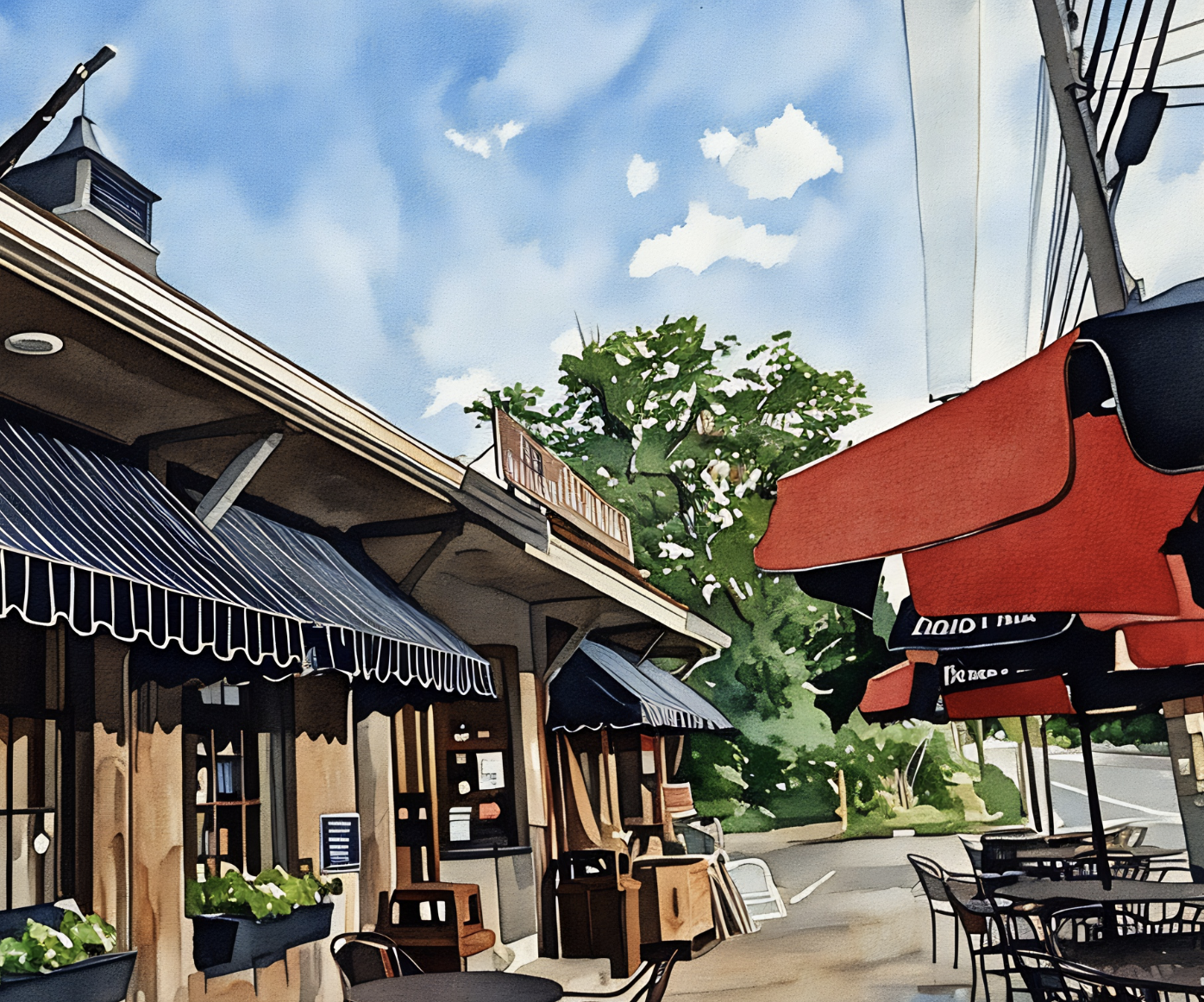
Serving West Falmouth Since 1902…
There is a certain timelessness to this historic country store. Originally established in 1899 by William F. Bourne, West Falmouth Market has evolved into a true community anchor—one that continues to serve its neighborhood with everything from classic sandwiches to a thoughtfully curated wine and spirits selection.
Over more than a century, it has become not just a market, but a defining part of daily life in West Falmouth.
A Market Rooted in History
Walking through the front door, you can still feel the echoes of the original general-store era. Much has changed since Bourne first opened the doors at the end of the 19th century, yet the heart of the operation remains grounded in tradition: quality ingredients, friendly familiarity, and a sense of place that is rare to come by today.
Generations have relied on the market for their morning coffee, fresh pastries, summer sandwiches, and the comfort of knowing that certain routines never fade. It is the kind of place that, even amid change, has held tightly to its identity.
A Community Living Room
In any season, West Falmouth Market operates as a kind of neighborhood living room. Regulars wander in for conversation as much as groceries. Vacationers returning each summer treat the market as a touchstone. Families pass down memories of standing in line with sandy feet after the beach, clutching a sandwich and a cold drink.
This is not simply a storefront—it is a meeting point, a landmark, and a quiet keeper of community rituals.
Where Tradition Meets Modern Craft
What makes West Falmouth Market stand apart today is the carefully cultivated blend of traditional New England market offerings with a modern, curated sensibility.
The classic deli has long been a draw—sandwiches crafted with the same consistency locals have counted on for decades. But beyond the deli case lies a wine and spirits program that rivals boutique shops, with selections that feel intentional, adventurous, and distinctly elevated for a small coastal market.
Thoughtful sourcing has transformed the beverage section into one of the area’s quiet gems, introducing customers to everything from small-batch bourbons to Loire Valley whites, well-chosen Napa cabernets, and seasonal craft beers. The curation bridges old-world sensibilities and modern tastes, reflecting both the evolving palate of the Cape and the market’s own pursuit of quality.
More Than a Market: A Cultural Thread
West Falmouth Market is stitched tightly into the rhythm of Cape Cod life. Seasonal events—celebrated barbecues, specialty holidays, and neighborhood gatherings—have become hallmarks of the store’s culture. These moments carry the unmistakable feeling of a small town at its best: unhurried, familiar, and wonderfully local.
Whether it is the bustle of summer Saturdays or the cozy quiet of winter mornings, the market adapts to the pace of the village around it while remaining a constant presence.
A Testament to Longevity and Local Commitment
Few businesses can claim more than 120 years of uninterrupted service. Fewer still can say they have maintained their essence while evolving gracefully to meet new expectations.
West Falmouth Market has done just that.
Its endurance is not an accident—it is the product of a deeply rooted commitment to community, a dedication to quality, and an understanding that the best markets are those that serve as both providers and storytellers of local life. Every shelf, sandwich, and bottle contributes to a narrative more than a century in the making.
What It Means Today
In an era defined by convenience stores and big-box retail, West Falmouth Market stands as a reminder that some places thrive precisely because they refuse to lose their soul. They remain small enough to know you, thoughtful enough to surprise you, and steadfast enough to represent what true community commerce looks like.
West Falmouth Market is—as it has always been—a place where the past and present live comfortably together. And that is precisely what makes it so enduringly essential.
